
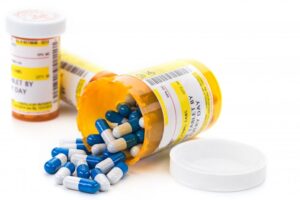
Many people don’t realize that certain medications—both prescription and over-the-counter—can have side effects that impact oral health. While these medications are often necessary for managing medical conditions, they can also contribute to dry mouth, changes in saliva composition, or sugar exposure, all of which increase the risk of cavities. If you take any of the following medications, knowing their effects can help you protect your smile.
1. Antihistamines
Commonly used to treat allergies, antihistamines like diphenhydramine and loratadine can significantly reduce saliva production. Saliva is your mouth’s natural defense against cavities because it washes away food particles and neutralizes acids. When your mouth becomes dry, bacteria thrive, making tooth decay more likely.
Tip: Stay hydrated, chew sugar-free gum, and consider using a saliva substitute if dry mouth becomes bothersome.
2. Antidepressants
Several antidepressant medications—including SSRIs and tricyclic antidepressants—list dry mouth as a frequent side effect. Because these medications are often taken daily and long-term, the risk of chronic dry mouth is increased. Without enough saliva, enamel becomes more vulnerable to acid attacks, leading to cavities over time.
Tip: Talk to your dentist if you take antidepressants regularly. They may suggest fluoride treatments or remineralizing toothpaste to keep your enamel strong.
3. Asthma Inhalers
Inhalers containing corticosteroids or bronchodilators help manage asthma, but the aerosolized medication can settle on teeth and gums. These particles can lower the pH in your mouth, creating an acidic environment where enamel breaks down more easily. Some inhaled medications may also contribute to oral thrush, further impacting oral health.
Tip: Rinse your mouth with water after each use, and consider using a spacer device to reduce direct contact with teeth.
4. Liquid Medications Containing Sugar
Many liquid medications—especially those made for children, such as cough syrups, fever reducers, and certain antibiotics—contain added sugars to improve taste. These sugars coat the teeth and act as fuel for cavity-causing bacteria. Because these medications are often taken before bedtime, when saliva flow naturally decreases, the risk of decay is even higher.
Tip: Choose sugar-free formulas when possible, and avoid giving sugary medications right before bed without brushing afterward.
You should never stop taking a prescribed medication due to dental concerns, but being proactive can make a big difference. Maintain regular dental checkups, stay hydrated, and ask your dentist about fluoride rinses or varnishes if you experience chronic dry mouth. With the right habits, you can safeguard your oral health while getting the medical care you need.
About the Author
Dr. Cornelia Dadaciu has more than 20 years of experience practicing dentistry. She earned her second dental degree after moving to the U.S. at the Nova Southeastern University School of Dentistry and has since completed several advanced courses focused on implant dentistry, cosmetic dentistry, and occlusion. Dr. Dadaciu stays current in her field today through active memberships in the American Dental Association, the Florida Dental Association, and the American Academy of Cosmetic Dentistry. In need of preventive dental care? We can help! Schedule your appointment online or call our Delray Beach office at (561) 404-4804.